Premium sourcing: We select high-grade oils and resins from trusted producers committed to sustainable harvest practices, ensuring a pure, consistent, and ethically obtained product.
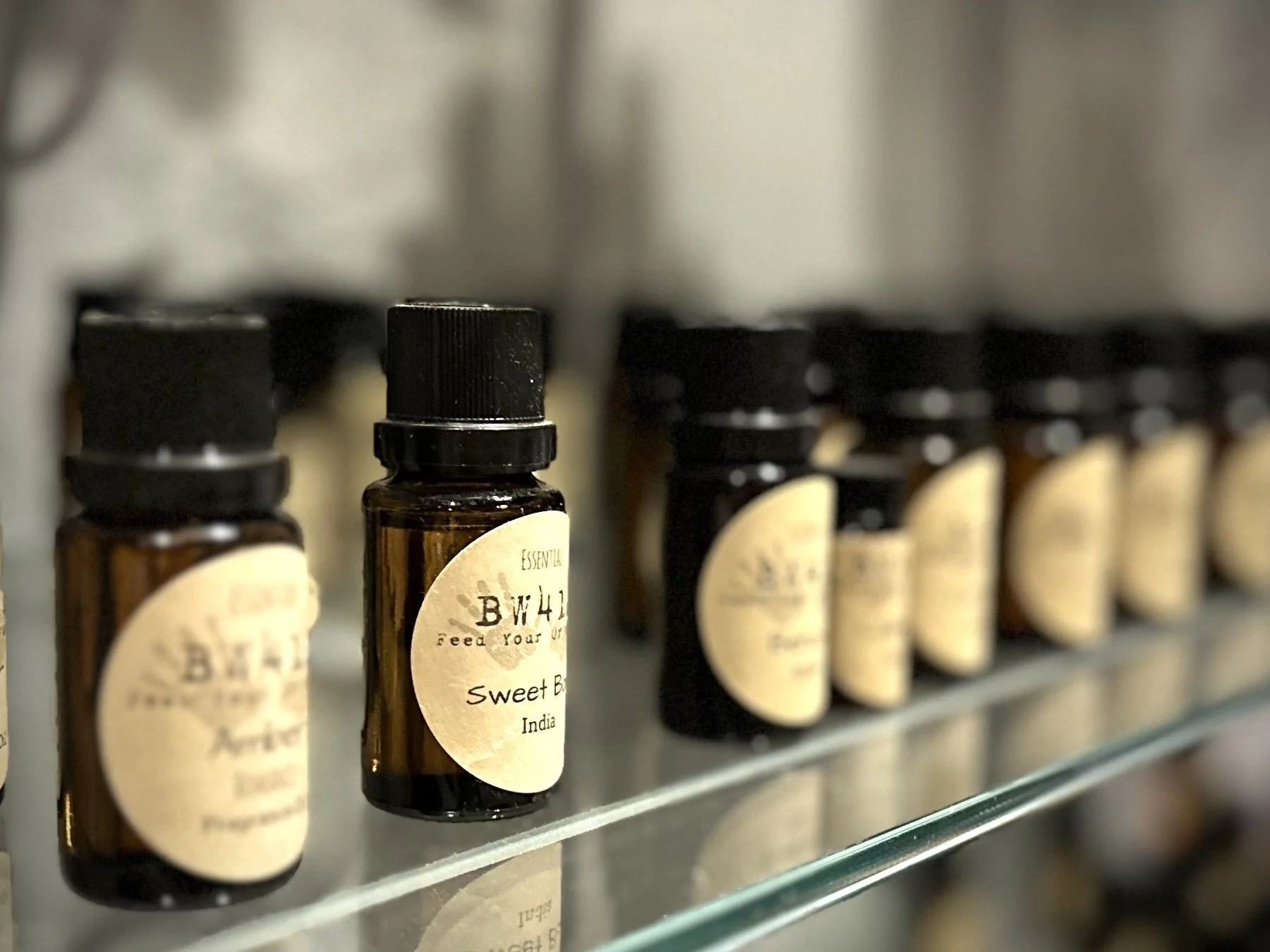
Essential oils are a natural way to boost wellness. Through scent they help you relax, lift your mood, and sharpen focus; when diluted and applied to the skin they can soothe sore muscles, improve circulation, and care for skin. Diffusing oils may ease breathing and support immunity, and specific blends can lower stress and improve sleep. Use them safely—dilute, do a skin test, and watch for contraindications—to enhance self-care, massages, facials, and a restful atmosphere.
How To Use:
Essential oils are concentrated plant extracts used aromatically, topically, or occasionally internally with care. For aromatherapy, add a few drops to a diffuser or a bowl of hot water to inhale the scent. For topical use, always dilute oils in a carrier oil (like jojoba, sweet almond, or fractionated coconut oil) at a safe ratio—typically 1–2% for adults (6–12 drops per ounce of carrier) and lower for children or sensitive skin—and perform a patch test before broader application. Avoid applying undiluted (neat) essential oils to skin, keep oils away from eyes and mucous membranes, and store them in dark, tightly sealed bottles out of sunlight and reach of children. If considering internal use or treating medical conditions, consult a qualified healthcare professional or certified aromatherapist.
How to Choose Essentails:
Choosing essential oils begins with identifying your goal—relaxation, focus, sleep support, or respiratory relief—then selecting oils known for those effects (lavender for calm, eucalyptus for congestion, peppermint for alertness, etc.). Prioritize purity and sourcing: look for therapeutic-grade, 100% pure, ideally organic oils with clear botanical names (Lavandula angustifolia, Eucalyptus globulus). Consider safety: dilute properly for topical use, avoid certain oils during pregnancy or for young children, and perform a patch test to check for sensitivity. Finally, match the aroma to your personal preference—an oil must both work and smell pleasant to you—while starting with single oils before exploring blends.
Groupings:
Below are curated groupings of essential oils available at BW412, organized by primary effect and best uses. Each grouping includes suggested blends and recommended applications (diffusion, inhalation, topical with carrier oil). Always dilute appropriately and perform a patch test before topical use and consult a healthcare professional if pregnant, nursing, or treating young children or medical conditions.
Calming
Overview Calming essential oils can help reduce stress, promote relaxation, and support sleep when used safely. They’re commonly applied via inhalation (diffusers, steam inhalation), topical dilution, or added to baths.
Lavender (Lavandula angustifolia)
Effects: Reduces anxiety, promotes sleep, soothes tension.
Uses: Diffuse in the bedroom before sleep, add a few drops to a warm bath, or dilute 1–3% in a carrier oil for a relaxing massage.
Bergamot (Citrus bergamia)
Effects: Uplifting yet calming; eases stress and mild anxiety.
Uses: Diffuse for mood balance, blend with carrier oil for chest/neck rubs. Photosensitivity risk with direct sun exposure—prefer bergamot expressed without bergapten (bergapten-free) for topical use if sun exposure is expected.
Frankincense (Boswellia carterii)
Effects: Grounding and contemplative; reduces tension and shields against stress.
Uses: Diffuse during meditation or apply diluted to the chest and temples for a calming ritual.
Cedarwood (Cedrus atlantica or Juniperus virginiana)
Effects: Warm, woody, and grounding; promotes relaxation and sleep.
Uses: Diffuse at bedtime, blend with carrier oil for a back or foot rub.
Blending Suggestions (general ratios)
Diffuser blends: 3–6 drops total per 100 mL diffuser water. Example: 2 drops lavender, 2 drops frankincense, 1 drop bergamot.
Topical blends (dilution guidelines): Adults 1–3% (6–18 drops essential oil per 1 ounce/30 mL carrier oil). For children or sensitive skin, use 0.25–1%.
Fresh, uplifting essential oils energize the senses, clear the mind, and brighten mood. Below are top picks, scent profiles, primary benefits, and simple ways to use them.
Citrus oils
Lemon: Bright, clean, and zesty. Promotes mental clarity, improves focus, and boosts mood. Use in diffusers, room sprays, or diluted in a carrier oil for an invigorating hand or foot massage.
Sweet Orange: Warm, cheerful, and sweetly citrusy. Reduces stress and anxiety while creating a welcoming atmosphere. Great in diffusers, inhalation rollers, or blended into cleaning sprays.
Grapefruit: Sharp, refreshing, slightly tart. Uplifting and energizing; can support motivation and reduce mental fatigue. Use in diffusers or a morning body-splash (diluted in witch hazel or a carrier solvent).
Herbaceous and green oils
Peppermint: Cool, minty, and stimulating. Enhances alertness and focus; useful for combating sluggishness. Apply topically (diluted) to temples or back of neck for an instant pick-me-up, or diffuse for workspace clarity.
Rosemary: Fresh, pine-like, slightly medicinal. Boosts concentration and memory, and invigorates the mind. Diffuse while studying or dilute for a scalp massage to awaken the senses.
Basil (sweet basil): Warm, herbaceous, and slightly spicy. Clears mental fog and uplifts during stressful moments. Best used diluted in inhalers, diffusers, or short topical applications.
Floral and green-floral oils
Geranium: Rosy, green, and balancing. Lifts mood and stabilizes emotions without being overpowering. Ideal in body-care blends, bath salts (diluted), or diffusers for emotional balance.
Neroli: Bright, floral, and slightly honeyed. Intensely uplifting and calming—excellent for anxiety and mood support. Use sparingly in diffusers or diluted topical blends (neroli is potent and often costly).
Exotic, spicy, and resinous options
Eucalyptus (blue gum): Clean, camphorous, and clarifying. Clarifies the breathing pathways and refreshes the mind—useful in diffusers for a brisk, fresh ambiance.
Cardamom: Warm, spicy, and slightly sweet. Stimulates and uplifts while offering a comforting aroma. Use in diffusers or blended with citrus oils for depth.
Pine or Fir needle: Crisp, woody, and forest-fresh. Grounding yet revitalizing—evokes outdoor freshness and boosts energy. Diffuse for an instant “outdoor” feel.
Popular uplifting blends (basic ratios)
Energizing Citrus: 3 drops Sweet Orange + 2 drops Lemon + 1 drop Grapefruit.
Focus & Clarity: 3 drops Rosemary + 2 drops Peppermint + 1 drop Lemon.
Calm Uplift: 2 drops Neroli + 2 drops Geranium + 2 drops Sweet Orange.
Safety and usage tips
Always dilute essential oils before applying to skin (commonly 1–3% dilution for adults; 1% ≈ 6 drops per ounce of carrier oil). Do a patch test before broader use.
Avoid citrus oil topical application before sun exposure (phototoxic risk) for certain citrus varieties like bergamot and some grapefruit extracts.
Keep essential oils away from children, pets, and sensitive populations unless a veterinarian or healthcare provider confirms safety.
Use high-quality, pure essential oils from reputable suppliers to avoid adulteration and skin irritation.
Start with small amounts when diffusing—10–30 minutes at a time is usually sufficient to uplift a room without overwhelming occupants.
Easy at-home uses
Diffuser: 4–6 drops total for a small room; adjust by room size.
Inhalation: Add 1–2 drops to a tissue or cotton ball and inhale when needing an immediate lift.
Roller blend: For a 10 ml roller bottle, combine about 15–25 drops total essential oil with carrier oil (examples above).
Room spray: Mix 20–30 drops essential oil per 4 oz distilled water with a teaspoon of alcohol or witch hazel as an emulsifier in a spray bottle.
Pairings that work well
Citrus + Mint (e.g., Lemon + Peppermint) = bright and energizing.
Floral + Citrus (e.g., Neroli + Sweet Orange) = uplifting and comforting.
Herb + Citrus (e.g., Rosemary + Grapefruit) = focused and refreshing.
Wood + Citrus (e.g., Pine + Lemon) = grounding with a crisp edge.
If you’d like, I can recommend specific blends for diffusing at the spa, a morning energizing roller recipe, or safe options to use around petsSafety Notes
Patch test topical blends on a small area of skin before broader use.
Use lower dilution for children, older adults, and pregnant people; some oils (clary sage, rosemary, certain citrus oils) may be contraindicated in pregnancy or certain health conditions—consult a professional.
Photosensitive citrus oils (bergamot, lemon, lime, bergamot expressed) can increase sunburn risk if applied to skin exposed to sunlight—choose bergapten-free versions for topical use when needed.
Keep essential oils out of reach of pets; some oils (tea tree, citrus, certain phenol-rich oils) can be toxic to animals.
Practical Tips
Create a nightly ritual: diffuse a calming blend 20–30 minutes before bed, add diluted lavender to the bottoms of your feet, or inhale from a tissue at bedtime.
Use a roll-on: Pre-mix a calming blend in a 10 mL roller bottle with fractionated coconut or jojoba oil for easy pulse-point application.
Pair with breathwork and stretching: Combining essential oils with breathing exercises or assisted stretching amplifies relaxation and helps the nervous system shift out of stress.